
Planning a vacation that blends freedom, adventure, and comfort is no small task. Many travelers want more than a single destination or a fixed itinerary. They want the open road, the ability to explore at their own pace, and the chance to experience something unforgettable along the way. That is where a well-planned combination of RV travel and a diving getaway comes into play.
A professional travel agency can bring all of these moving parts together into one seamless experience. From mapping scenic routes to coordinating ocean excursions, thoughtful planning ensures that each leg of the journey flows naturally into the next. Whether the goal is to explore coastal highways, sample local food, or dive into crystal-clear waters, the right approach makes all the difference.
Beyond logistics, experienced planners also consider traveler preferences, pace, and comfort levels. Some individuals prefer shorter driving days with more frequent stops, while others enjoy covering longer distances in a single stretch. Factoring in these preferences early on helps shape a more enjoyable and realistic itinerary.
This guide explores how travelers can transition from road trips to ocean dives with ease, while making the most of every mile and every moment.
Why Combine RV Travel with a Diving Vacation
Travelers today are looking for experiences that feel personal and flexible. Traditional trips often limit movement and spontaneity. By combining RV travel with a diving vacation, individuals and families gain the freedom to explore inland destinations before heading toward the coast for underwater adventures.
The appeal is simple. RV travel allows for a customizable route, while diving introduces a completely different environment filled with marine life and unique landscapes. Together, they create a balanced trip that includes both land-based exploration and ocean discovery.
This combination also allows travelers to experience a wider range of climates and scenery within a single trip. One day might involve hiking through a forest or desert landscape, while the next could be spent preparing for a dive along a tropical shoreline. These contrasts make the journey feel richer and more dynamic.
Working with a travel agency ensures that logistics do not become overwhelming. Coordinating campground reservations, dive schedules, and transportation details requires careful timing. With professional guidance, travelers can focus on enjoying the journey rather than managing the details.
Planning the Route: Building a Flexible Yet Structured Itinerary
The foundation of any successful trip lies in thoughtful route planning. While spontaneity is part of the charm of RV travel, having a general structure helps avoid unnecessary stress.
Travel planners typically begin by identifying key destinations. These may include national parks, coastal towns, and well-known diving locations. From there, they map out a route that balances driving time with opportunities to stop and explore.
Seasonality is another important factor. Weather conditions can affect both road travel and diving conditions, so timing the trip appropriately helps avoid disruptions. For example, planning coastal visits during calmer seasons can improve visibility for diving and make outdoor activities more enjoyable.
An important part of this process involves arranging reliable trailer services. Whether transporting recreational equipment or ensuring that the RV setup is road-ready, these services help travelers avoid mechanical issues that could disrupt the trip. Proper preparation allows for a smoother journey from start to finish.
Flexibility is still built into the plan. Travelers can adjust their schedule as needed, spending more time in places that capture their interest while still maintaining the overall flow of the trip.
Keeping Your Journey Smooth with Proper RV Maintenance

A road trip is only as enjoyable as the reliability of the vehicle. Before setting out, it is essential to ensure that the RV is in excellent condition. Preventative maintenance can save both time and money while reducing the likelihood of unexpected delays.
Professional RV service providers play a key role in this stage of preparation. They inspect essential systems such as brakes, tires, electrical components, and plumbing. Addressing potential issues early helps travelers avoid breakdowns in unfamiliar locations.
It is also helpful to carry a basic toolkit and emergency supplies. Items such as spare fuses, tire repair kits, and extra fluids can make a significant difference when traveling through remote areas. Being prepared for minor issues helps maintain peace of mind throughout the trip.
Regular check-ins during the trip are also important. Long-distance travel can put stress on a vehicle, especially when towing or navigating varied terrain. By staying proactive, travelers can keep their journey running smoothly and focus on the experiences ahead.
Discovering Local Flavors Along the Way
One of the greatest advantages of road travel is the ability to explore regional cuisine. Each stop along the route offers something new, from small-town diners to bustling city eateries.
Many travelers make it a point to seek out the best burger in each destination. These local favorites often reflect the character of the area, using fresh ingredients and unique recipes that cannot be found elsewhere. Sampling these specialties adds a memorable layer to the journey.
Food exploration also becomes a way to connect with local culture. Conversations with restaurant staff or fellow diners often lead to recommendations for hidden gems that may not appear in travel guides.
In addition to hearty meals, travelers often enjoy relaxing in local cafes. These spaces provide a chance to recharge, plan the next leg of the trip, and connect with the local community. Whether it is a quiet morning coffee or an afternoon break, these moments contribute to the overall experience.
Transitioning from Road to Coast
As the journey progresses, the landscape gradually shifts. Mountains and open highways give way to coastal views and ocean breezes. This transition marks the beginning of the next phase of the trip.
Travelers often plan their route to include a gradual approach to the coast. This allows time to adjust to changing environments and prepare for upcoming activities. Coastal towns serve as ideal stopping points, offering a mix of relaxation and adventure.
During this phase, many travelers begin shifting their focus toward water-based activities. Exploring marinas, waterfront parks, and local markets helps set the tone for the upcoming diving portion of the trip.
A highlight for many is booking a bay fishing charter. These guided excursions provide an opportunity to explore local waters, learn from experienced captains, and enjoy a different perspective of the coastline. It is a natural bridge between land-based travel and ocean-focused activities.
Preparing for the Underwater Experience
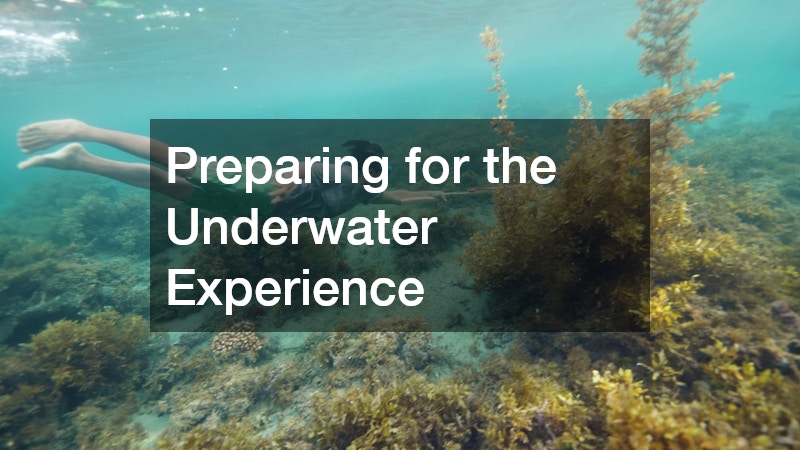
Diving requires careful preparation, both physically and logistically. Before arriving at the destination, travelers should ensure that they have the necessary certifications, equipment, and knowledge of local conditions.
A well-organized diving vacation includes everything from gear rentals to guided dives. Travel planners often coordinate with reputable dive operators to ensure safety and quality. This preparation allows travelers to focus on the excitement of the experience rather than the details.
It is also important to consider personal comfort and confidence levels. For those who are new to diving, introductory courses or refresher sessions can help build skills and reduce anxiety. Experienced divers may choose more advanced sites that offer greater challenges and rewards.
Understanding the environment is also important. Different locations offer unique marine life, visibility conditions, and dive depths. Researching these factors ahead of time helps set realistic expectations and enhances the overall experience.
Exploring Coastal Cuisine and Culture
Coastal destinations are known for their vibrant food scenes. Fresh ingredients and diverse influences come together to create memorable dining experiences.
Travelers often seek out a top-rated seafood restaurant to enjoy freshly caught fish, shellfish, and regional specialties. These meals provide a direct connection to the local environment and are often a highlight of the trip.
Dining near the coast often comes with its own atmosphere. Waterfront views, open-air seating, and the sound of waves create a setting that enhances the overall experience.
In addition to seafood, many coastal areas are home to outstanding options for the best Mexican cuisine. From street-style tacos to more refined dishes, these meals offer bold flavors and a sense of place. Exploring local dining options adds depth to the journey and creates lasting memories.
Adding Urban Experiences to the Itinerary
While nature and adventure are central to this type of trip, urban destinations can provide a welcome contrast. Cities offer cultural attractions, entertainment, and opportunities to connect with a different pace of life.
Urban stops also provide access to museums, live music, and unique shopping districts. These experiences can add variety to the trip and create opportunities to engage with local culture in new ways.
For example, incorporating event entertainment in Chicago into the itinerary adds a dynamic element to the journey. From live performances to seasonal festivals, these experiences create a balance between outdoor exploration and city life.
Travel planners can help integrate these stops without disrupting the overall flow of the trip. By carefully timing city visits, travelers can enjoy the best of both worlds.
Balancing Adventure with Relaxation

A successful trip includes moments of excitement as well as opportunities to unwind. While diving and road travel are both active pursuits, it is important to build in time for rest.
Travelers often find that slower days enhance the overall experience. Whether it is spending an afternoon by the water or enjoying a quiet evening at a campground, these moments provide a chance to recharge.
Mindful pacing also helps prevent burnout. Packing too many activities into a short period can reduce enjoyment and increase stress. Allowing for flexibility and downtime creates a more sustainable travel rhythm.
Returning to familiar comforts, such as a favorite best burger spot or a cozy cafe, can also create a sense of balance. These simple pleasures help ground the experience and make the journey more enjoyable.
Making the Most of Your Diving Vacation
Once at the destination, the focus shifts fully to the underwater world. Each dive offers a new perspective, from vibrant coral reefs to unique marine ecosystems.
A well-planned diving vacation includes a mix of guided dives and personal exploration. This allows travelers to learn from experienced professionals while also enjoying the freedom to discover at their own pace.
Keeping a dive log can enhance the experience. Recording details such as location, depth, and marine life sightings creates a lasting record of the journey and helps divers track their progress over time.
Safety remains a top priority. Following established guidelines and respecting the environment ensures a positive experience for both divers and marine life. With proper preparation, each dive becomes a memorable part of the journey.
Returning to the Road with New Experiences
After days spent exploring beneath the surface, travelers often return to the road with a renewed sense of appreciation. The contrast between land and sea creates a well-rounded experience that few trips can match.
This phase of the trip often feels more relaxed, as travelers are already familiar with their routine and equipment. It becomes easier to settle into a comfortable rhythm and enjoy the journey without rushing.
As the journey continues, travelers may revisit favorite stops or discover new ones. Another visit to local cafes or a second search for the best burger can bring a sense of familiarity while still offering something new.
Continuing to rely on dependable RV service ensures that the trip remains smooth through the final stretch. Maintenance and support allow travelers to focus on enjoying the last moments of their adventure.
How a Travel Agency Brings It All Together

Coordinating a trip that includes multiple destinations, activities, and modes of travel can be challenging. This is where a travel agency proves invaluable.
From the initial planning stages to the final day of the journey, professionals handle the details that can otherwise become overwhelming. They coordinate schedules, secure reservations, and provide guidance based on experience.
They also offer contingency planning. Unexpected changes, such as weather delays or equipment issues, can be addressed quickly with the help of experienced professionals who understand how to adapt plans without compromising the overall experience.
Their expertise ensures that each element of the trip works together seamlessly. Whether arranging trailer services, recommending dining options, or booking a bay fishing charter, their support allows travelers to enjoy a stress-free experience.
Creating a Journey Worth Remembering
Combining road travel with ocean exploration offers a unique way to experience the world. It brings together the freedom of the open road with the wonder of the underwater environment.
With thoughtful planning, reliable support, and a spirit of adventure, travelers can create a journey that feels both exciting and meaningful. From sampling local flavors to diving into new experiences, each moment contributes to a story worth remembering.
The key lies in balance. By blending structure with flexibility, adventure with relaxation, and land with sea, travelers can design a trip that feels complete from start to finish.
By working with experienced professionals and embracing the possibilities of both land and sea, travelers can turn an ordinary trip into something truly unforgettable.
