
Historically, headstones have been used as powerful storytelling tools, encapsulating the essence of a person’s life through imagery and inscriptions. Whether it is through the grandeur of Victorian monuments or the simplicity of modern designs, each headstone captures a unique narrative.
The materials used for headstone carving have varied significantly over time, influenced by geographical availability and technological advancements. While stone continues to be a popular choice due to its durability and timeless appeal, metal and wood have also seen usage in different eras and regions. Mastering the skill of carving these diverse materials demands both knowledge and precision. Skilled artisans must adapt their techniques to suit the material’s properties, ensuring that the final product endures both aesthetically and structurally. The choice of material can also dictate the style and detail achievable in the headstone’s design.
Understanding these historical contexts is crucial for any artisan aiming to create meaningful and authentic headstones. It is not merely about replicating original styles but appreciating the symbolism and intent behind those designs. By grasping the rich tapestry of history, artists can innovate while staying true to traditional motifs. This blend of education and creativity results in headstones that continue to be cherished over time. Each piece contributes to the landscape of heritage, showcasing the lasting connection between the past and present.
Mastering Craftsmanship and Technique
The art of carving headstones demands a high level of craftsmanship and a mastery of various techniques. One of the essential skills required is the ability to envision and execute intricate designs on a hard surface. This involves not only artistic talent but also a technical understanding of tools like chisels, hammers, and pneumatic devices. Each tool serves a specific purpose, whether for outlining intricate patterns or smoothing surfaces. Carvers must be adept at choosing the right tools for each task to bring the envisioned design to life.
In addition to technical precision, patience is a critical attribute for any headstone artist. The process of carving is slow and meticulous, requiring hours of focused dedication to detail. Artists often spend days, if not weeks, working on a single headstone, ensuring that every line and curve is perfect. Mistakes can be costly, potentially ruining days of intricate work, so steady hands and a keen eye for detail are necessary. Through perseverance and attention to detail, carvers achieve a flawless expression that truly honors its subject.
Artists must also possess a deep sense of creativity and flexibility. As many headstones are custom made, tailors of this craft are often challenged to interpret personalized stories into visual format. This necessitates innovative thinking to incorporate contemporary symbols or sentimentalities in a manner that aligns with traditional structures. Furthermore, adaptations in techniques might be required for modern tool usage without compromising the artistic value and integrity of the original design. Mastery of craftsmanship and technique allows carvers to leave a lasting impression on both stone and society.
Balancing Aesthetics with Emotional Significance
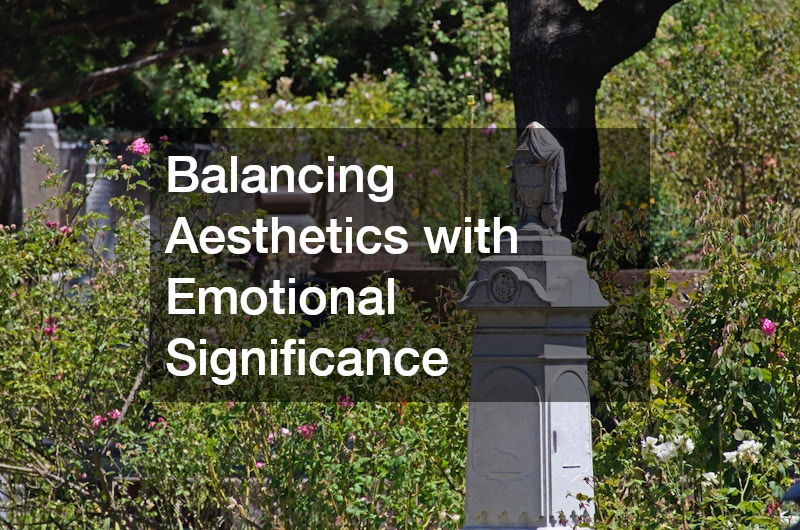
The aesthetics of a headstone are as important as the emotional significance it carries. Carvers need to balance form and function, ensuring the design fulfills its commemorative purpose while also standing as a piece of visual art. A well-carved headstone must harmonize with its surroundings, integrating effortlessly into the landscape of the cemetery. Artists are tasked with creating monuments that equally satisfy aesthetic complexity and simplicity to capture the essence of an individual’s story. Choices in typeface, embellishments, and finishing touches all contribute to the visual appeal.
Emotional significance is the cornerstone of headstone creation, requiring empathy and sensitivity from the artisan. Each headstone is a reflection of life, commemorating both the person it represents and those who hold their memory dear. Artists must understand and convey the deep emotions associated with loss and remembrance through their carving. This involves engaging with bereaved clients to accurately capture their sentiments and translate them into a lasting tribute. By doing so, carvers provide comfort and solace, allowing memories to be etched beautifully in stone.
Ultimately, the challenge lies in encapsulating a lifetime within the constraints of stone and time. Headstones serve as markers of personal history, bearing witness to individual journeys against the backdrop of humanity’s shared experiences. Creating a balance between formal beauty and heartfelt expression demands not only artistic skill but also a profound commitment to storytelling. Through this commitment, artists ensure that each headstone tells a unique tale, reverberating with emotion across generations. The harmonization of aesthetic beauty and emotional resonance ensures that these memorials stand as lasting legacies.
